December 16, 2026
The Branch of Jesse
Isaiah 11:1-2, 10
Key Verse | Isaiah 11:1
There shall come forth a shoot from the stump of Jesse,
and a branch from his roots shall bear fruit.
Today's Focus
Today’s Prayer Prompt
Thank God for his promise to make all things new. Pray for those experiencing the brokenness of this world and ask him to fill their hearts with hope.
Isaiah 11:1-2, 10
Chapter 11
The Righteous Reign of the Branch
1
There shall come forth a shoot from the stump of Jesse, 10 In that day the root of Jesse, who shall stand as a signal for the peoples—of him shall the nations inquire, and his resting place shall be glorious.
and a branch from his roots shall bear fruit.
2
And the Spirit of the LORD shall rest upon him,
the Spirit of wisdom and understanding,
the Spirit of counsel and might,
the Spirit of knowledge and the fear of the LORD.
Table of Contents
Introduction to Isaiah
Timeline

Author and Date
Isaiah was called to his prophetic ministry “in the year that King Uzziah died” (6:1), around 740 B.C. He lived long enough to record the death of Sennacherib (37:38), in 681. However, most of the book can be dated only in very general terms because few specific dates are given.
Theme
The central theme of the book is God himself, who does all things for his own glory (48:11). Isaiah defines everything else by how it relates to God: is it rightly related to him as the center of all reality (45:22–25)? God’s people find strength only as they rest in the promises of their God (30:15). They find refreshment only as they delight themselves in his word (55:1–2). To serve his cause is their worthy devotion (ch. 62), but to rebel against him is endless death (66:24).
Simplified Overview of Isaiah
| Isaiah 1–39 | Isaiah 40–55 | Isaiah 56–66 | |
|---|---|---|---|
| Date and Setting | The eighth century B.C. (700s); the Assyrian threat | Prophecies for the sixth century B.C. (500s); the Babylonian exile | Prophecies about all times and occasions until the end |
| Audience | God’s rebellious people craving worldly security | God’s defeated people under worldly domination | All who hold fast to God’s covenant |
| Actions | God purifies a remnant of his apostate people through judgment | God encourages his discouraged people in exile | God prepares all of his true people for his promised salvation |
| Message | “In returning and rest you shall be saved; . . . But you were unwilling” (30:15) | “the glory of the LORD shall be revealed” (40:5) | “Keep justice, and do righteousness” (56:1) |
Key Themes
1. God is offended by religious practices that come from an empty heart or a careless life (1:10–17; 58:1–12; 66:1–4).
2. God’s true people will someday become a multinational community of worship and peace that will last forever (2:2–4; 56:3–8; 66:18–23). They will be the predominant culture of a new world (14:1–2; 41:8–16; 43:3–7; 60:1–22).
3. God opposes human pride (2:10–17; 13:11; 23:9).
4. The foolish idols that man creates are destined for destruction (2:20–21; 44:9–20; 46:1–7).
5. God’s judgment will reduce Israel to a remnant. From this remnant he will raise up a holy people (1:9; 6:1–12:6; 40:1–2).
6. God sometimes judges people by making them deaf and blind to his saving word (29:9–14).
7. The only hope of the world is in one man. He is the promised Davidic king (7:14; 9:2–7; 11:1–10), the servant of the Lord (42:1–9; 52:13–53:12), the anointed preacher of the gospel (61:1–3), and the victor over all evil (63:1–6).
8. God uses everything, even human sin, for his own glory (44:24–45:13).
9. All people are called to repent of sin and trust in God alone (12:2; 26:3–4; 32:17–18; 50:10; 66:2).
10. Often, when God’s people feel abandoned by him (40:27), they foolishly trust in worldly powers (31:1–3; 39:1–8).
11. God will vindicate his cause with a world-transforming display of his glory (11:10; 40:3–5; 52:10; 59:19).
12. God is guiding all of human history (41:1–4; 44:6–8; 46:8–11).
13. God’s faithfulness and the certainty of his final victory should motivate his people to pray and to be obedient (56:1–2; 62:1–64:12).
14. The wrath of God is to be feared above all else (9:19; 13:9, 13; 30:27; 34:2; 66:15–16).
Outline
- Introduction: “Ah, Sinful Nation!” (1:1–5:30)
- God Redefines the Future of His People: “Your Guilt Is Taken Away” (6:1–12:6)
- God’s Judgment and Grace for the World: “We Have a Strong City” (13:1–27:13)
- God’s Sovereign Word Spoken into the World: “Ah!” (28:1–35:10)
- Historical Transition: “In Whom Do You Now Trust?” (36:1–39:8)
- Encouragement for God’s Exiles: “The Glory of the Lord Shall Be Revealed” (40:1–55:13)
- How to Prepare for the Coming Glory: “Hold Fast My Covenant” (56:1–66:24)
The Near East at the Time of Isaiah
c. 740 B.C.
The prophecies of Isaiah took place during the rise of the Assyrian Empire. Assyria posed a great threat to Israel and Judah as well as the entire Near East.

Simplified Overview of Isaiah
| Isaiah 1–39 | Isaiah 40–55 | Isaiah 56–66 | |
|---|---|---|---|
| Date and Setting | The eighth century B.C. (700s); the Assyrian threat | Prophecies for the sixth century B.C. (500s); the Babylonian exile | Prophecies about all times and occasions until the end |
| Audience | God’s rebellious people craving worldly security | God’s defeated people under worldly domination | All who hold fast to God’s covenant |
| Actions | God purifies a remnant of his apostate people through judgment | God encourages his discouraged people in exile | God prepares all of his true people for his promised salvation |
| Message | “In returning and rest you shall be saved; . . . But you were unwilling” (30:15) | “the glory of the LORD shall be revealed” (40:5) | “Keep justice, and do righteousness” (56:1) |
Activity of the Writing Prophets during the Reigns of the Kings of Israel and Judah
| Timeline | King of Judah // Event | Prophet to Judah | Prophet to Israel | King of Israel // Event | |||
|---|---|---|---|---|---|---|---|
| 780 B.C. | Jeroboam II (781–753) | ||||||
| 770 | |||||||
| 760 | Uzziah | (c. 760) | (c. 760) | ||||
| (Azariah) | Amos | Jonah | |||||
| (767–740) | |||||||
| (c. 755) | |||||||
| Hosea | Zechariah (753–752) | ||||||
| Shallum (752) | |||||||
| 750 | Jotham | Menahem (752–742) | |||||
| (750–735) | Micah (c. 742) | Isaiah (c. 740) | Pekahiah (742–740) | ||||
| 740 | Pekah (740–732) | ||||||
| Ahaz (735–715) | Hoshea (732–722) | ||||||
| 730 | |||||||
| 720 | Fall of Samaria (722) | ||||||
| 710 | Hezekiah (715–686) | ||||||
| 700 | |||||||
| 680 | Manasseh (686–642) | Nahum (c. 660–630) | |||||
| 660 | Amon (642–640) | ||||||
| 640 | Josiah (640–609) | Zephaniah (c. 640–609) | |||||
| Habakkuk (c. 640–609) | |||||||
| 620 | (c. 627) | ||||||
| 600 | Jeremiah | ||||||
| Jehoahaz (609) | |||||||
| Jehoiakim (609–597) | (c. 605) | ||||||
| Jehoiachin (597) | Daniel | ||||||
| Zedekiah (597–586) | (c. 597) | ||||||
| Ezekiel | |||||||
| Fall of Jerusalem (586) | Obadiah | ||||||
| (after 586) | |||||||
| 580 | |||||||
| 560 | |||||||
| 540 | |||||||
| 520 | 1st return of exiles (538) | Haggai (c. 520) | |||||
| Temple rebuilt (516/515) | Zechariah (c. 520) | ||||||
| 500 | |||||||
| 480 | |||||||
| 460 | 2nd return of exiles (458) | Malachi (c. 460) | |||||
| 440 | 3rd return of exiles (445) |
- Major prophets
- Minor prophets
Joel is not displayed as the dates are uncertain and estimates range from the 9th to the 4th centuries B.C.
Micah’s prophecy was likely directed toward both Judah and Israel.
Isa. 11:1 a shoot from the stump. Isaiah presents the Messiah as a shoot or twig growing from a stump remaining after God’s judgment (see 4:2; 6:13; 53:2). Jesse. The father of David (see 1 Sam. 16:1–13; 2 Sam. 20:1). bear fruit. Unlike previous kings, especially King Ahaz, this son of Jesse will produce only good results for the people.
Isa. 11:2 the Spirit of the LORD. Like David (1 Sam. 16:13), the Messiah is empowered by the Holy Spirit. He is also given wisdom and understanding for leadership (Deut. 1:13; 1 Kings 3:9; see Isa. 10:13); counsel and might to carry out his wise plans (36:5; see Job 12:13; note the connection to Isa. 9:6, “counselor” and “mighty”); knowledge and the fear of the LORD for holiness (Prov. 2:1–5). For Jesus’ fulfillment of this prophetic word, see Matt. 3:16–17.
Isa. 11:10 Paul quotes this verse in Rom. 15:12 to describe his ambition to reach the Gentiles with the gospel. He sees himself as living in the messianic time the OT expected, in which the Gentiles would come to know the true God.
Devotion
We live in a broken world, full of conflict, disease, and decay, with death being the ultimate example of how things are not the way we wish they could be.
Isaiah 11 starts with an example of that brokenness. Jesse was King David’s father. Someone from the family line of Jesse and David was supposed to be king forever (2 Samuel 7:16). However, the nation was defeated by enemies and had no king for hundreds of years. The family tree of Jesse was just a stump; David’s descendants survived, but they weren’t kings.
However, from that stump, God promised that a new King would be born and produce fruit. This King would be different. Every other king throughout history has been imperfect, marked by the same sin tendencies that we all have. This King, though, would rule perfectly and judge rightly, having the fullness of God’s wisdom, understanding, faithfulness, and power. All nations would look to him for guidance. He would usher in a different kind of world, where even natural enemies (like wolves and lambs, or lions and calves) would live at peace with each other. There would be no more killing or death, and nothing would be hurt or destroyed.
700 years after this prophesy was made, Jesus would be born. He is the branch from the root of Jesse. Although he died, he came back to life and will rule forever, fulfilling God’s promise about David’s kingly line. And in his future reign, there will be no more death or pain (Revelation 21:1-4); we can look forward to a new heaven and new earth that will be as peaceful and perfect as the scene described here.
Questions
- What are some examples of how you have experienced the brokenness of this world in your own life? How do God’s promises give you hope?
- What are you most looking forward to being “made new” (Revelation 21:5)?
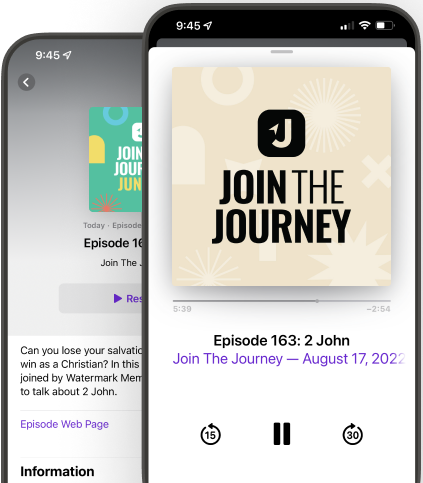
Watch or listen to the podcast
Tuesdays and Wednesdays
Monthly memory verse
For to us a child is born,
to us a son is given;
and the government shall be upon his shoulder,
and his name shall be called
Wonderful Counselor, Mighty God,
Everlasting Father, Prince of Peace.